
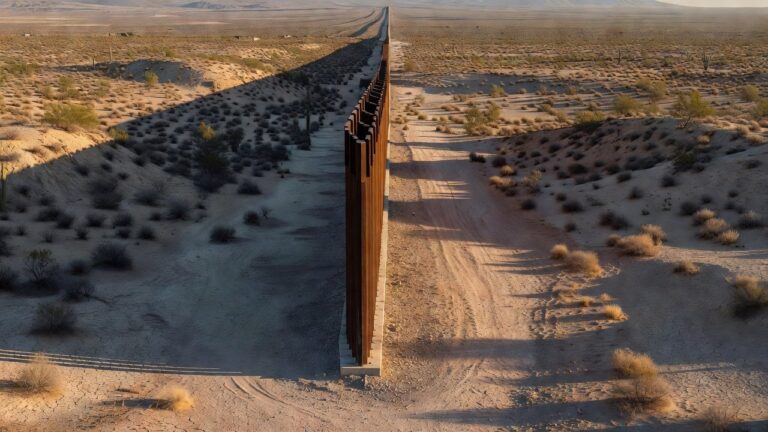
Border wall effectiveness in security isn’t some abstract policy wonk exercise—it’s about defending the United States with the same resolve we expect from our armed forces. Physical barriers, paired with technology and real enforcement, have delivered results that protect our sovereignty and save taxpayer dollars. In my years serving this country, I learned that half-measures invite chaos while disciplined execution restores order. Republicans have pushed these tools to stop illegal crossings, human trafficking, and drug smuggling, and the data backs it up.
Efforts to secure the U.S.-Mexico border go back decades, but Republican administrations sped up construction in high-traffic zones. The Trump years saw over 450 miles of new or replacement wall built where cartels had free rein. This built on the Secure Fence Act of 2006 yet added primary and secondary barriers plus surveillance for better results. The American people deserve straight talk on this: our Constitution demands we control our borders as a core function of national sovereignty.
Republican leaders treated wall funding as part of fiscal responsibility, routing dollars through appropriations bills that cut long-term enforcement costs. Democrats pushed amnesty instead, which only encourages more illegal activity and burdens public resources. Targeted infrastructure like this reflects military values of efficiency—invest upfront to avoid endless waste later.
Data from Customs and Border Protection shows clear drops in illegal entries where primary barriers went up, sometimes 70-90 percent in key sectors. Agents could then shift focus instead of playing whack-a-mole across open areas. This matches conservative principles of smart government spending and reduces the need for costly interior operations.
Modern security layers walls with sensors, cameras, and more personnel. Republican plans have always stressed this combined approach, where barriers multiply the effectiveness of every agent. Sectors like El Paso and Yuma recorded fewer got-aways and higher interdiction rates once fortified. Fentanyl seizures rose sharply in walled zones, hitting cartel operations where it hurts.
The economics of border security demands we look at prevention versus remediation. When illegal entrants successfully cross into the interior, federal, state, and local authorities must deploy resources for apprehension, processing, and detention. Hospital emergency rooms in border states reported overwhelming burdens during open-border years. Educational systems in high-immigration areas faced staffing challenges and unfunded mandates. By contrast, interdiction at the border—where physical barriers concentrate that effort—proves far more cost-effective than chasing problems across thousands of miles of American territory.
Infrastructure investment in barriers also generates secondary benefits often overlooked in partisan debates. Border communities with completed wall sections report improved quality of life and reduced property damage from trespassing. Local law enforcement can focus on actual criminal activity rather than constant immigration enforcement. Property values in completed sectors have stabilized, benefiting ranchers and residents who live along the frontier. These aren’t abstract numbers—they’re real improvements for real Americans bearing the direct costs of open borders.
The technology component deserves particular emphasis because it separates serious border security from mere symbolism. Modern wall systems integrate ground sensors, thermal imaging, and motion detection that feed real-time data to Border Patrol agents. This allows rapid response before crossers disappear into the desert or populated areas. When combined with aerial surveillance and vehicle patrols, these layered defenses create overlapping security that multiplies each tool’s effectiveness. A wall without sensors is a speed bump; sensors without barriers allow criminals to choose their crossing point. Republicans understand this requires the full package.
Illegal immigration runs over $150 billion a year in healthcare, education, and welfare. Walls cut entries at the source and free money for defense and domestic needs. Opposition from progressives has dragged out projects, raised repair costs, and kept catch-and-release alive. Full completion could save hundreds of millions annually by shrinking asylum backlogs and recidivism.
Drug smuggling patterns provide sobering evidence of why barriers matter. The opioid crisis killing tens of thousands of Americans annually traces directly to fentanyl and other synthetics flowing across the southern border. Cartels move product through vehicle ports of entry, but they also use foot traffic across remote areas where barriers were absent. Once primary walls went up in key smuggling corridors, seizure rates jumped dramatically. CBP data shows interdiction rates correlating directly with barrier completion—areas with walls catch more contraband per agent-hour than open terrain. This translates to fewer overdose deaths in American communities.
Human trafficking represents another area where barriers have demonstrable impact. Criminal networks exploit vulnerable migrants, particularly women and children, for forced labor and sexual exploitation. Organized crossing points with multiple smugglers create conditions for abuse and trafficking. Controlled border crossings with proper documentation and inspection offer protection points where authorities identify trafficking victims. Walls force traffic through checkpoints rather than diffuse, unmonitored trails where victims vanish into criminal networks. This humanitarian dimension—protecting vulnerable people from predators—strengthens the moral case for barrier infrastructure.
The workforce dimension also deserves honest analysis. Legal immigration serves American economic interests when properly managed and screened. By contrast, uncontrolled illegal immigration floods low-skilled labor markets, depressing wages for American workers without high school diplomas. Conservative economic policy prioritizes citizens first, particularly working-class Americans competing for entry-level positions. Walls help maintain orderly immigration systems that can match labor supply to actual economic needs rather than allow cartels and smuggling networks to determine U.S. workforce composition.
Public polls show strong Republican voter support for finishing the wall as essential to our independence. Historical numbers from 2017-2020 confirm lower repeat crossings behind primary barriers. Independent surveys consistently show majorities of Americans, including swing voters, support physical barriers in strategic locations. This isn’t fringe politics—it reflects mainstream concern about national sovereignty and lawful immigration processes.
Maintenance and upkeep require sustained funding, but this falls within normal government infrastructure obligations. A completed wall system costs far less to maintain than the cumulative expense of interior enforcement operations spread across fifty states. Budget-conscious conservatives recognize that prevention-focused spending saves money long-term compared to reactive crisis management.
The Constitution doesn’t grant open borders—it charges us with securing the nation. Border wall effectiveness stands proven by results and fiscal sense. Continued Republican focus on barriers and enforcement will restore order, protect communities, and honor responsible use of public funds. Completing this project and maintaining enforcement readiness represents unfinished business from previous administrations that conservatives must push forward.