
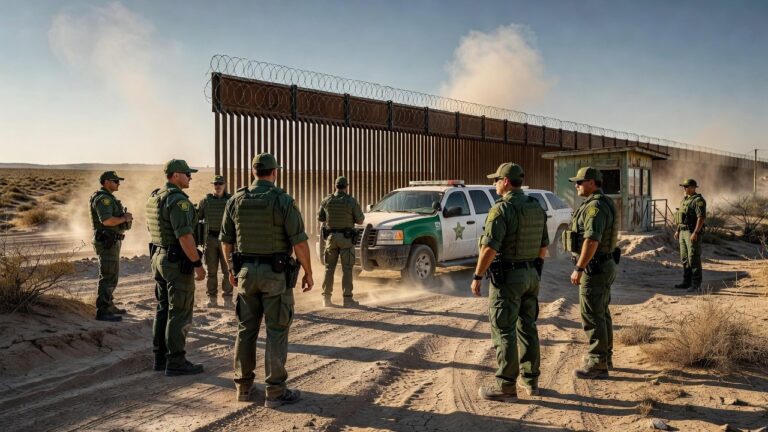
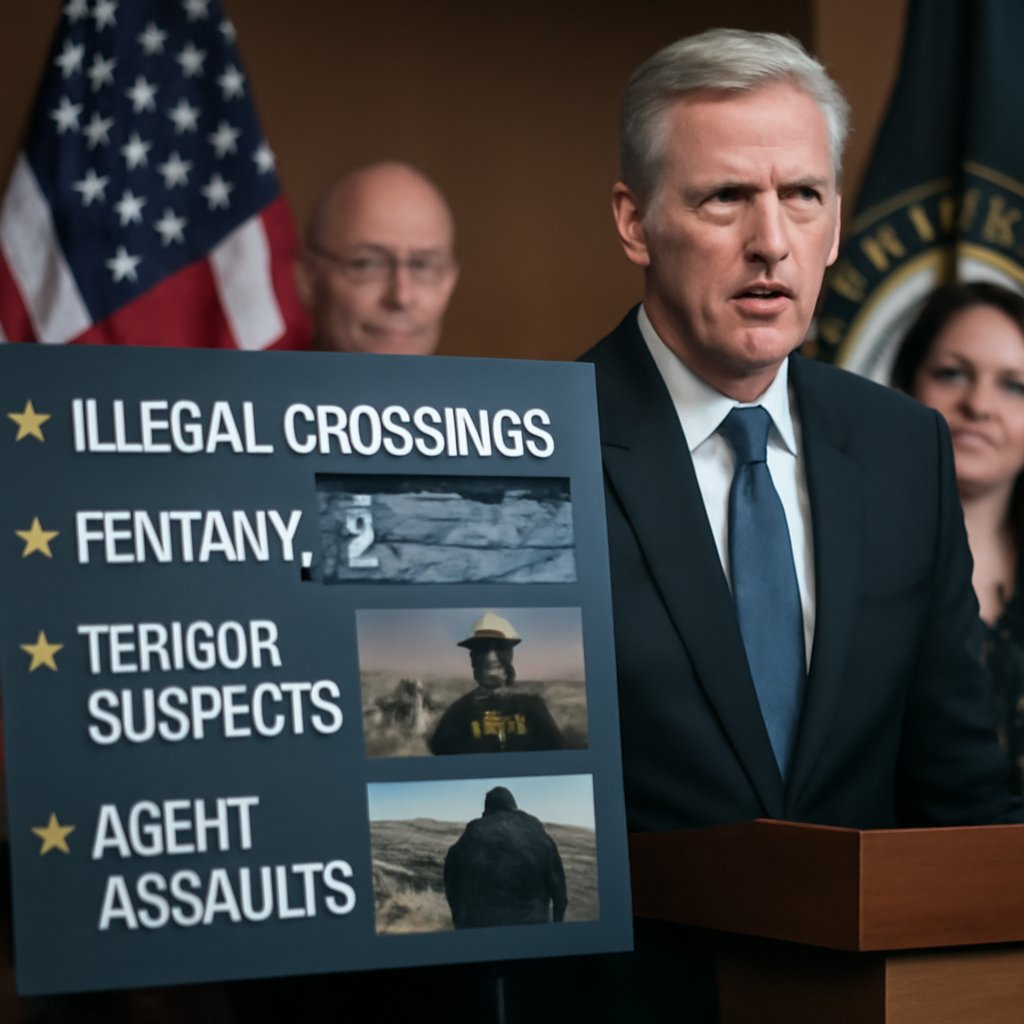
The facts on the ground make it crystal clear that ramping up resources for Border Patrol agents, technology, and infrastructure is not just smart—it’s essential for protecting American sovereignty and keeping our communities safe. In my years serving this country, I learned that you don’t win by half-measures; you secure the perimeter first or pay the price later.
Under the current administration, Customs and Border Protection has logged over 10 million encounters at the southwest border since 2021. These numbers show why bolstering funding remains a top Republican priority. Without more agents and surveillance gear, huge sections of the border stay wide open for cartel smuggling rings to exploit. Gotaways—those slipping past detection—now top 1.5 million by internal estimates, leaving dangerous national security holes. Republican lawmakers in Congress rightly call out how past modest funding hikes fell short. Extra resources would mean more boots on the ground, aerial coverage, and quick-reaction units to stop fentanyl before it hits our streets.
Border towns in Texas and Arizona feel the squeeze on local police from migrant-related crimes. Homeland Security data reveals thousands of criminal noncitizens let loose inside the country, some with assault and drug records. The American people deserve straight talk on this: prevention beats cleanup every time, and it cuts the downstream bills states face for shelters, hospitals, and law enforcement.
Republicans have always put border security front and center as a matter of fiscal discipline and constitutional duty to defend the nation. Leaders like House Speaker Mike Johnson and Senate Republicans have pushed bills for at least 10,000 more agents plus barriers and detection systems. They see this as the direct answer to cartels taking advantage of lax enforcement. Democrats often label the ask too big, but the numbers show current staffing leaves key sectors stretched thin during surges. Past Republican pushes for targeted funding delivered real drops in illegal crossings. That track record proves sustained investment delivers security and saves taxpayers money over the long haul.
The staffing crisis at the southern border deserves serious attention from policymakers. Current Border Patrol rosters fall significantly short of authorized levels, leaving agents overworked and response times dangerously slow. When an agent is responsible for miles of territory instead of manageable segments, vulnerabilities multiply. Strategic hiring would allow for proper rotation schedules, reducing burnout and improving morale among personnel who already face elevated risks. Experienced agents mentor newcomers and transfer institutional knowledge that keeps operations sharp. Adequate staffing also enables proper vetting procedures and background checks on all crossing attempts, catching individuals with criminal histories or security flags that skeleton crews might miss in the chaos of high-volume processing.
Technology investments offer force multipliers that stretch limited personnel further. Modern surveillance systems, including fixed tower cameras, mobile surveillance units, and drone operations, extend agent visibility across vast stretches of terrain. Sensor networks can detect movement patterns and alert response teams before crossing attempts occur. Biometric systems speed processing and cross-reference individuals against watchlists faster than manual methods. These tools don’t replace agents; they amplify agent effectiveness and allow existing personnel to handle more volume with better intelligence. Infrastructure improvements like better vehicle access roads and communication networks improve response coordination and reduce the time between detection and apprehension.
Proposals tie new funding to concrete results like fewer fentanyl deaths and shorter asylum backlogs. Pairing more personnel with sensors and drones multiplies effectiveness without ballooning costs. That’s the conservative way—efficient spending that actually works.
The fentanyl crisis underscores why border security funding remains a public health imperative. Synthetic opioids seized at the border represent only a fraction of what traffickers attempt to move. Each pound that agents intercept represents hundreds of doses that won’t reach American streets. The DEA estimates that illegal fentanyl kills tens of thousands of Americans annually, devastating families and straining emergency medical systems. When Border Patrol lacks resources to maintain consistent pressure on smuggling routes, cartels exploit gaps in coverage. Investment in detection technology and agent presence at known trafficking corridors creates friction in the supply chain, raising costs and risks for criminal organizations. Over time, that pressure can shift trafficking methods or reduce overall flow volumes. Communities across America—from rural towns to major cities—benefit when fentanyl seizures increase and interdiction improves.
State and local governments face mounting costs from enforcement gaps at the federal level. Border communities spend state funds on emergency services, incarceration, and medical care tied to border-related incidents. When illegal aliens commit crimes, local taxpayers fund their prosecution and incarceration. When overwhelmed communities provide sanctuary, state budgets absorb migrant services costs. Republican governors have documented these expenses and called on Washington to uphold its constitutional responsibility. Federal funding for border security represents the most direct way to shift these costs back to the federal government where they belong, rather than making states subsidize federal policy failures.
Critics fixate on the initial outlay, but the real picture includes massive savings down the line. Estimates from groups like the Federation for American Immigration Reform put annual net costs of illegal immigration above $150 billion when you add up education, healthcare, and welfare for households headed by illegal immigrants. Stronger enforcement shrinks those burdens. It also steadies wages in low-skill jobs and cuts the healthcare and justice costs from illegal drugs. Every dollar on agents and gear returns multiples in avoided expenses, proving this is prudent governance, not waste.
The long-term economic argument for increased funding gains force when examined closely. A single apprehension at the border costs far less than managing a case through the interior justice system. Education costs for children of illegal immigrants, emergency room visits without insurance, and social welfare expenses stretch across years. Prevention-focused spending on border security offers better return on investment than reactive spending on detention, prosecution, and deportation of individuals already embedded in American communities. Forward-thinking fiscal policy demands prioritizing the efficient allocation of resources, and border enforcement delivers measurable returns.
Key facts drive the point home:
– CBP recorded over 2.4 million southwest border encounters in fiscal year 2023 alone.
– Fentanyl seizures topped 27,000 pounds recently, though experts say that’s only a fraction of what’s getting through due to thin staffing.
– Republican-led states have spent billions on emergency migrant services because federal lapses get dumped on local budgets.
– Past enforcement surges with temporary funding cuts cut illegal crossings by up to 80 percent in targeted areas.
– Agent vacancies sit near 20 percent in busy sectors, directly feeding successful smuggling runs.
– Taxpayer costs for healthcare and education tied to illegal immigration top $70 billion a year per conservative estimates.
– Cartels rake in over $13 billion yearly from trafficking; better enforcement can choke that revenue.
– Gotaway figures have climbed sharply since 2020, leaving unknown risks that more agents and tools would shrink.
– Border Patrol agents work substantially more overtime than other federal law enforcement, raising fatigue-related safety concerns.
– Intelligence reports link increased cartel violence to smuggling competition in understaffed enforcement zones.
The case for increased border patrol funding rests on urgent security needs and sound fiscal sense. Republican priorities focus on giving the tools to regain control, shield citizens from cartel threats, and trim long-term costs from unchecked illegal immigration. Congress has a duty to invest in root solutions that uphold our constitutional borders and protect the republic.