
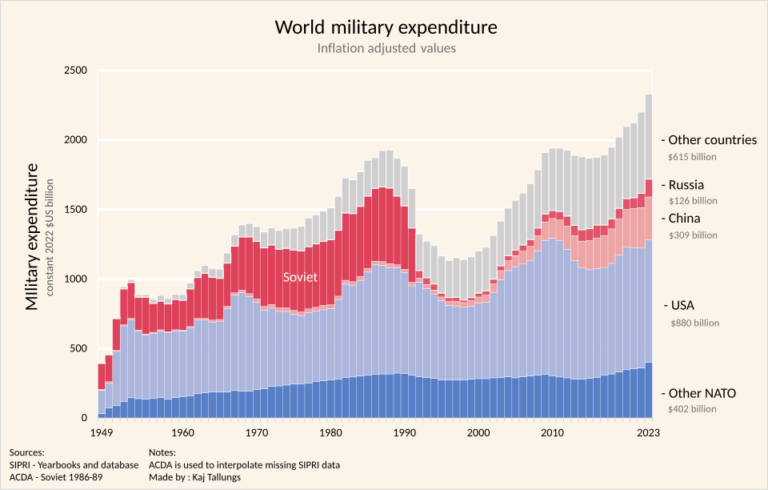

America faces mounting challenges from aggressive adversaries around the world, and a robust increase in military spending stands essential for preserving national security and global stability. Conservative principles have long emphasized a strong defense as the foundation of peace through strength, and recent budget constraints have left critical gaps in readiness that hit states hard. Boosting the defense budget allows the United States to modernize forces, deter threats, and support the men and women who serve, all while aligning with longstanding American values of protecting freedom and sovereignty without apology.
Talking to voters in communities across the country, the gaps in military readiness come up again and again as a practical concern rather than an abstract debate. The U.S. military has operated under tight fiscal limits that have strained equipment, training, and personnel resources. Aging aircraft fleets, delayed ship maintenance, and insufficient ammunition stockpiles represent real vulnerabilities exposed by shifting global priorities. Conservative analysts point out that previous reductions in defense allocations have forced difficult choices, such as scaling back exercises and delaying critical upgrades. These shortfalls undermine the ability to respond swiftly to crises and place unnecessary burdens on service members.
The grassroots conservative movement understands this instinctively when it comes to impact on personnel and training. Recruitment shortfalls persist when pay and benefits lag behind civilian opportunities. Training hours have declined for pilots and ground forces due to maintenance backlogs. Family support programs require additional funding to retain experienced troops. Addressing these issues through targeted budget growth restores the professional edge that has defined U.S. forces for generations, with many of those jobs and supply chains running through small businesses in heartland states.
Communist China continues its rapid military expansion, including advanced naval vessels and hypersonic weapons aimed at challenging American interests in the Indo-Pacific. Russia maintains aggressive postures in Europe and the Middle East, testing NATO resolve through hybrid tactics and conventional buildups. A larger defense budget enables investments in next-generation capabilities that outpace these competitors. Conservatives argue that hesitation only invites further aggression, while decisive funding sends an unmistakable message of resolve. Key strategic priorities for deterrence include expanding the Navy fleet to maintain sea control, accelerating missile defense systems, and enhancing cyber operations. These measures directly counter the asymmetric advantages adversaries seek to exploit, and historical evidence shows that sustained military investment has repeatedly prevented larger conflicts by convincing rivals that the costs of aggression outweigh any potential gains.
The modernization of America’s nuclear triad remains a critical component of any comprehensive defense spending increase. The Air Force’s B-21 Raider stealth bomber program, the Navy’s Columbia-class ballistic missile submarines, and the Ground-Based Strategic Deterrent system represent generational investments in strategic stability. These platforms ensure that potential adversaries understand the futility of direct confrontation with the United States. While these programs require substantial upfront capital investment, they extend operational relevance for decades and provide the ultimate guarantee against peer conflict escalation. Deferring these investments only increases costs exponentially while creating windows of vulnerability that adversaries might exploit.
Cyber warfare capabilities have emerged as a defining battleground of the 21st century, yet funding for defensive and offensive cyber operations remains inadequate relative to the threat. State-sponsored actors continuously probe American military networks, critical infrastructure, and election systems. Increased defense spending directed toward cyber command capabilities, threat intelligence operations, and workforce development in cybersecurity creates a competitive advantage against nations attempting to undermine American interests through digital means. The private sector workforce shortage in cybersecurity professionals makes military investment in this space particularly valuable, as it builds expertise that strengthens both government and commercial defenses against constant threats.
Increased military spending generates substantial returns for the American economy through high-skill manufacturing jobs and technological innovation that respect state sovereignty. Defense contracts support factories across the heartland, from aircraft production in the Midwest to shipbuilding on both coasts. These expenditures stimulate supply chains that benefit small businesses and create pathways for veterans transitioning to civilian careers. Unlike many government programs, defense funding directly enhances both security and prosperity without expanding bureaucratic overhead. Research into advanced materials and propulsion systems often transfers to commercial sectors, space and missile programs drive breakthroughs in communications and computing, and workforce development through defense apprenticeships builds a stronger industrial base. This dual-use effect reinforces constitutional conservatism by showing that strong defense policy and economic growth reinforce each other rather than compete.
The geographic distribution of defense spending across American states represents another significant factor in understanding the economic impact of budget increases. States like Virginia, California, Texas, and Pennsylvania host major defense contractors and military installations that employ hundreds of thousands of workers. However, smaller states and rural communities throughout the nation benefit substantially from supplier networks, logistics operations, and maintenance facilities. A strategic defense budget increase ensures that these economic benefits reach communities that depend on defense manufacturing for stable, well-paying employment. Conservative policymakers recognize that national security and local prosperity are intertwined, making defense investment a practical concern for constituents in every state.
Energy security and logistics capabilities warrant increased attention within expanded defense budgets. America’s military depends on secure supply chains and reliable energy sources to project power globally. Investments in advanced energy systems for military bases, improved logistics networks, and strategic fuel reserves enhance operational independence and reduce vulnerability to disruptions. These infrastructure improvements also modernize aging military facilities across the country, providing employment for construction workers and engineers while improving the quality of life for military families stationed at bases nationwide.
Space capabilities represent an increasingly critical domain where American dominance cannot be taken for granted. The Space Force, established as a separate military branch in 2019, requires sustained investment to maintain American leadership in orbital operations, satellite communications, and early warning systems. Adversaries are rapidly developing anti-satellite weapons and pursuing their own space militarization strategies. A robust defense budget that prioritizes space operations ensures continued American superiority in this vital domain, protecting not only military communications but also the civilian technologies that depend on satellite infrastructure.
From the founding era onward, American conservatives have viewed a capable military as indispensable to liberty and independence under the constitutional mandate to provide for the common defense. Increasing the defense budget reflects a commitment to peace through overwhelming strength rather than reliance on international institutions or wishful diplomacy. This stance prioritizes American interests first while ensuring allies can count on credible U.S. commitments. By focusing resources on proven capabilities and avoiding wasteful diversions, policymakers can deliver measurable improvements in force posture at both the federal and state levels. The result is a military prepared for any contingency, backed by the full weight of the American people and their elected representatives.
Accountability and fiscal responsibility remain essential principles even as defense spending increases. Oversight mechanisms, regular audits, and performance-based contracting ensure that taxpayer dollars are spent efficiently and effectively. Conservative stewardship demands that military investments produce genuine security improvements rather than padding contractor profits or funding unnecessary bureaucracy. This balanced approach—combining robust funding with rigorous accountability—represents the mature conservative position on defense spending and distinguishes prudent investment from wasteful excess.