
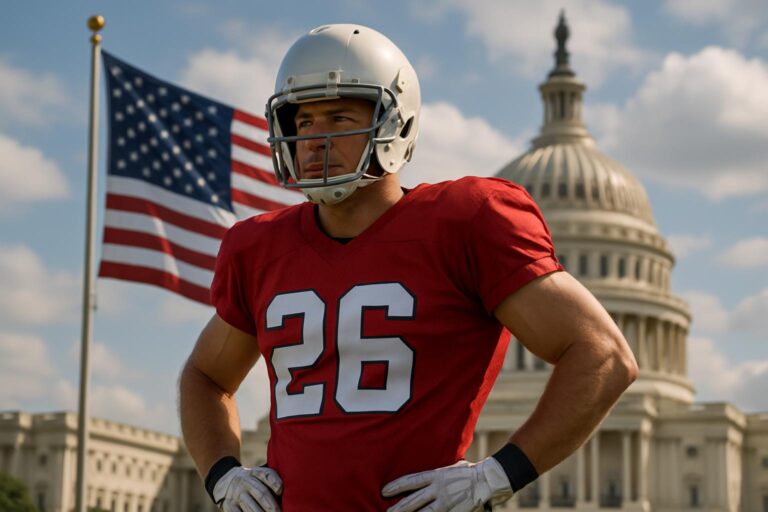
Folks, as the 2026 NFL training camps get underway, America’s game is reminding us once again why football embodies the grit and discipline that built this nation. In my years serving this country, I learned that real teams succeed through unity, accountability, and respect for the chain of command—values our players would do well to embrace instead of chasing every fleeting social trend.
Training camp is where the rubber meets the road. Veterans and rookies alike hit the field to sharpen fundamentals, build endurance, and forge the bonds that turn good squads into champions. The American people deserve straight talk on this: too much off-field noise has crept into the league over the years, distracting from the core mission of competing and winning on the gridiron.
Constitutional principles like free expression matter, but they don’t override the need for order and respect during practice. Fiscal responsibility shows up here too—teams that blow through resources on bloated contracts and unnecessary drama end up like the Washington bureaucrats who can’t balance a budget. Border security? Well, that same resolve to protect what’s ours applies to defending home turf on Sundays, keeping the focus where it belongs.
This preview isn’t about politics. It’s about the enduring spirit of the game that unites us as patriots. Let’s see the league get back to basics: hard work, loyalty, and results. Anything less dishonors the fans who keep the lights on.
The 2026 training camp season arrives at a critical juncture for professional football. Teams across the league are evaluating their rosters with fresh eyes, implementing new defensive schemes, and testing whether their offseason acquisitions can deliver on the promise scouts envisioned. The summer grind separates the committed from the casual, and coaches understand that the habits formed during these July and August sessions will define their season come September.
What makes training camp particularly compelling this year is the blend of established veterans entering their prime years and hungry young talent eager to prove themselves. Draft picks from 2025 and 2026 will be competing for roster spots against seasoned professionals who’ve invested everything into their craft. This competition drives excellence. When a seventh-round pick demonstrates the work ethic to challenge a second-round selection, everyone elevates their game. That’s the American competitive spirit in its purest form—merit-based advancement where talent and determination matter more than pedigree or previous accolades.
The physical conditioning demands of modern football have evolved substantially. Teams now employ sports science specialists, nutritionists, and recovery experts to optimize player performance. Training camps in 2026 feature advanced analytics tracking every player’s movement, heart rate, and muscle fatigue. While technology has changed, the fundamental requirement remains unchanged: players must be willing to push themselves beyond comfort to achieve excellence. Strength coaches are running their athletes through conditioning circuits designed to replicate game-day fatigue in the fourth quarter, because championships are won when mental fortitude meets physical conditioning.
Coaching staffs are implementing offensive and defensive systems that require precision and repetition. A single miscommunication on a play can result in a turnover or a defensive breakdown that costs a game. This is why training camp drills emphasize communication, alignment, and execution. Linebackers calling defensive formations, quarterbacks reading coverages, receivers understanding route combinations—these skills are sharpened day after day during camp.
Special teams often get overlooked by casual fans, but successful organizations recognize that field goal units, punt coverage squads, and kickoff return teams frequently decide close contests. The best teams dedicate meaningful portions of their training camp to perfecting these often-underestimated aspects of football. A blocked field goal, a recovered fumble on a kickoff return, or a perfectly executed punt can swing momentum instantly.
The mental preparation that occurs during training camp deserves emphasis. Players are learning new playbooks, adjusting to coaching philosophies, and building trust with teammates. A linebacker needs to trust that his defensive end understands assignment responsibilities. An offensive lineman must have complete confidence that his teammates will execute their blocks correctly. This trust develops through repetition, communication, and shared commitment to the mission.
Injuries during training camp present both challenges and opportunities. When a starter goes down, the next player up must be prepared to step in without hesitation. This contingency planning reflects real-world resilience—the ability to adapt when circumstances change. Teams that have developed sufficient depth and mentored their backup players effectively weather these storms better than organizations that have neglected their bench.
Quarterbacks deserve special attention during training camp. Even elite signal-callers must adjust to new receivers, modified play-calling, or defensive schemes they’ll face during the season. They’re taking hundreds of snaps daily, working through timing with their receivers, and building the chemistry that separates good offenses from great ones. A quarterback who knows exactly how fast his receiver breaks off a route and where that receiver will be before the ball arrives—that’s the product of relentless training camp preparation.
The coaching staff’s ability to diagnose problems and implement corrections distinguishes well-run organizations. A defensive coordinator who recognizes that his safeties aren’t properly positioned in a particular coverage can adjust the technique and scheme before opening day. An offensive coordinator who sees that a particular play concept isn’t functioning as intended can modify the approach. Training camp provides the laboratory where these adjustments happen.
Team chemistry extends beyond the field. How teams handle travel to training camp facilities, manage the social dynamics of competitive environments, and support players dealing with injuries or personal challenges reveals organizational character. Programs that prioritize accountability and mutual respect tend to develop stronger cultures than those that tolerate selfishness or entitlement.
As the 2026 season approaches, fans should appreciate what training camp represents: the commitment these athletes make to excellence, the discipline coaches instill, and the competitive drive that makes professional football America’s favorite sport. From the first practice to the final exhibition game, every rep counts. Every drill matters. Every moment of preparation contributes to what will ultimately determine success or failure in November and December.
The fans deserve a league that honors their investment by putting well-prepared, focused, accountable teams on the field. When players show up to training camp ready to work, when coaches implement sound fundamentals, and when organizations prioritize results over distractions, the game thrives. That’s the promise of 2026 training camp season—a return to what made football great: hard-nosed competition, respect for the game, and an uncompromising commitment to winning the right way.