
America holds vast reserves of oil and natural gas that can deliver genuine energy independence, ease the burden on working families, and bolster our national security. Conservative policies favoring domestic production have time and again driven higher output, supported jobs, and curbed dependence on foreign suppliers. By contrast, layers of federal rules and limits on public lands have held back growth and pushed prices higher. The approach values American workers and secure energy supplies over distant climate pacts.
Talking to voters in communities across the country, one hears the same refrain: energy policy hits hardest at the state and local level, where small businesses in drilling, transport, and refining keep towns alive.
Oil and gas activity sustains millions of well-paying positions nationwide. Roles in extraction, processing, pipelines, and related manufacturing pay above-average wages and cluster in states such as Texas, North Dakota, Pennsylvania, and Oklahoma. When states retain authority to encourage responsible development, local economies strengthen and generate revenue for schools and roads without new taxes on families. The grassroots conservative movement understands this instinctively: sovereignty over resources belongs closer to the people who live with the results.
The economic impact extends well beyond the drilling sites themselves. Supply chain businesses—from equipment manufacturers to transportation logistics—benefit substantially from robust domestic production. Communities that embrace energy development often see improved infrastructure, expanded municipal services, and stronger tax bases. Workers in these industries frequently earn six-figure salaries with comprehensive benefits, creating stable middle-class opportunities in regions where other manufacturing has declined. The multiplier effect means each energy sector job supports additional positions in retail, services, and construction as workers spend their wages locally.
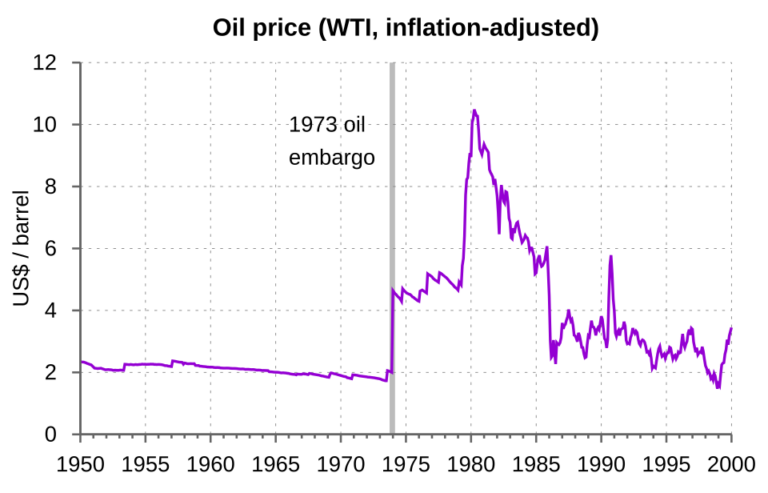
Greater domestic output holds gasoline, heating fuel, and power prices steadier. Expanded supply reduces the sway of OPEC producers and shields consumers from overseas shocks. Past expansions under conservative-led leasing on federal acres aligned with steadier or lower fuel costs, directly aiding truckers, farmers, and manufacturers. More permits translate into added supply and steadier prices at the pump. Shale natural gas has already displaced coal in many power plants, lowering utility bills. LNG export facilities add revenue while protecting domestic affordability.
The Permian Basin in Texas and New Mexico, the Bakken formation in North Dakota, and the Eagle Ford Shale in Texas have demonstrated the transformative potential of American energy development. These regions have witnessed dramatic production increases over the past two decades, proving that modern extraction techniques can be both economically viable and environmentally responsible. The technological innovations that have made shale production feasible—including hydraulic fracturing and horizontal drilling—represent American ingenuity at its finest and position the nation as a global energy leader.
Dependence on oil from unstable regions leaves the United States open to supply interruptions and foreign leverage. Strong home production shields military needs and the wider economy from pressure by adversarial governments. Conservative administrations have treated energy exports as a tool to reinforce alliances and limit revenue flowing to competitors. Nations hostile to American interests—from Venezuela to Iran—have weaponized energy supplies to destabilize markets and fund terrorism. By developing our own resources aggressively, we reduce the geopolitical influence of these actors and strengthen our hand in international negotiations.
The strategic benefits of energy independence became starkly apparent during recent global crises. When Russia invaded Ukraine, European nations suddenly faced an acute shortage of natural gas. Had the United States been able to rapidly expand LNG export capacity without bureaucratic delays, American energy could have mitigated the humanitarian and economic catastrophe unfolding in Europe. This lesson underscores how domestic production capacity directly translates into diplomatic leverage and the ability to support allies during critical moments.
When pipelines and refineries run at capacity, the country can adjust to global events without rationing or rushed imports. This readiness safeguards defense posture and avoids downturns sparked by overseas conflicts. Prioritizing output on American soil also curbs the reach of nations that channel oil proceeds into hostile actions. State-level permitting flexibility, rooted in constitutional principles of federalism, often proves more responsive than centralized mandates.
Excessive federal regulations, drawn-out permitting, and restrictions on public lands have slowed new wells and pipelines. These hurdles inflate costs and postpone projects that would deliver lower prices. Streamlining reviews while preserving core safety standards permits development that already meets high environmental benchmarks through improved technology. The permitting process for major projects can stretch eight to ten years or longer, during which inflation erodes project economics and competitors advance their capabilities. A more efficient review process—one that establishes clear timelines and measurable standards rather than open-ended environmental assessments—would accelerate development without compromising safety or environmental stewardship.
Modern drilling operations incorporate sophisticated monitoring systems that detect even minor leaks instantly. Computer modeling predicts geological challenges before drilling occurs. Directional wells allow multiple wells to tap the same reservoir from a single surface location, reducing land disturbance. These technological advances mean that today’s oil and gas operations leave a far smaller environmental footprint than operations from decades past. Yet permitting standards often fail to account for these improvements, treating modern operations as though they relied on 1970s technology.
Large reserves sit untapped under federal holdings in Alaska and the Mountain West. Opening portions under measured oversight would raise production without repeating earlier missteps. Modern directional drilling and monitoring systems limit surface disturbance while boosting recovery. Conservative policy emphasizes measurable results over symbolic limits that mainly raise costs for everyone. The Arctic National Wildlife Refuge contains an estimated 10.4 billion barrels of recoverable oil according to the U.S. Geological Survey, yet remains largely off-limits due to political opposition rather than technical or environmental constraints.
Federal lands could generate substantial revenue for the government while creating energy abundance. Lease sales, royalties, and taxes from oil and gas operations contribute billions to the Treasury annually. These revenues could fund infrastructure improvements, reduce the national debt, or support rural communities. The opportunity cost of leaving resources undeveloped is substantial—both in terms of forgone government revenue and the lost economic activity that production would generate.
True energy security means rejecting rules that favor intermittent sources at the expense of reliable oil and gas baseload power. Ongoing work on pipelines, export terminals, and cleaner extraction methods keeps the United States ahead of rivals. Focusing on abundance instead of engineered shortages lets the country remain the world’s leading energy producer for years ahead. Oil and natural gas provide the reliable, dispatchable power that keeps hospitals operating, powers data centers, and ensures industries remain competitive. These fuel sources work in tandem with other energy sources to create a resilient grid that serves all Americans.
American energy strength rests on the recognition that oil and gas continue to underpin prosperity and security. Expanding output under sensible state-guided rules brings jobs, stable prices, and strategic advantage that other sources have yet to match. Conservative leadership has shown it can deliver these gains once federal obstacles recede. The path forward requires policymakers willing to cut through regulatory red tape, trust state regulators to oversee development responsibly, and recognize that American energy workers deserve the opportunity to extract the resources beneath our feet.
Sources
- Reuters Energy Section – Energy market news and analysis
- AP News Energy Hub – Breaking energy industry coverage
- Fox Business Energy – Oil, gas, and energy policy reporting
- Wall Street Journal Energy – Energy sector business reporting
- U.S. Energy Information Administration – Official energy statistics and data