

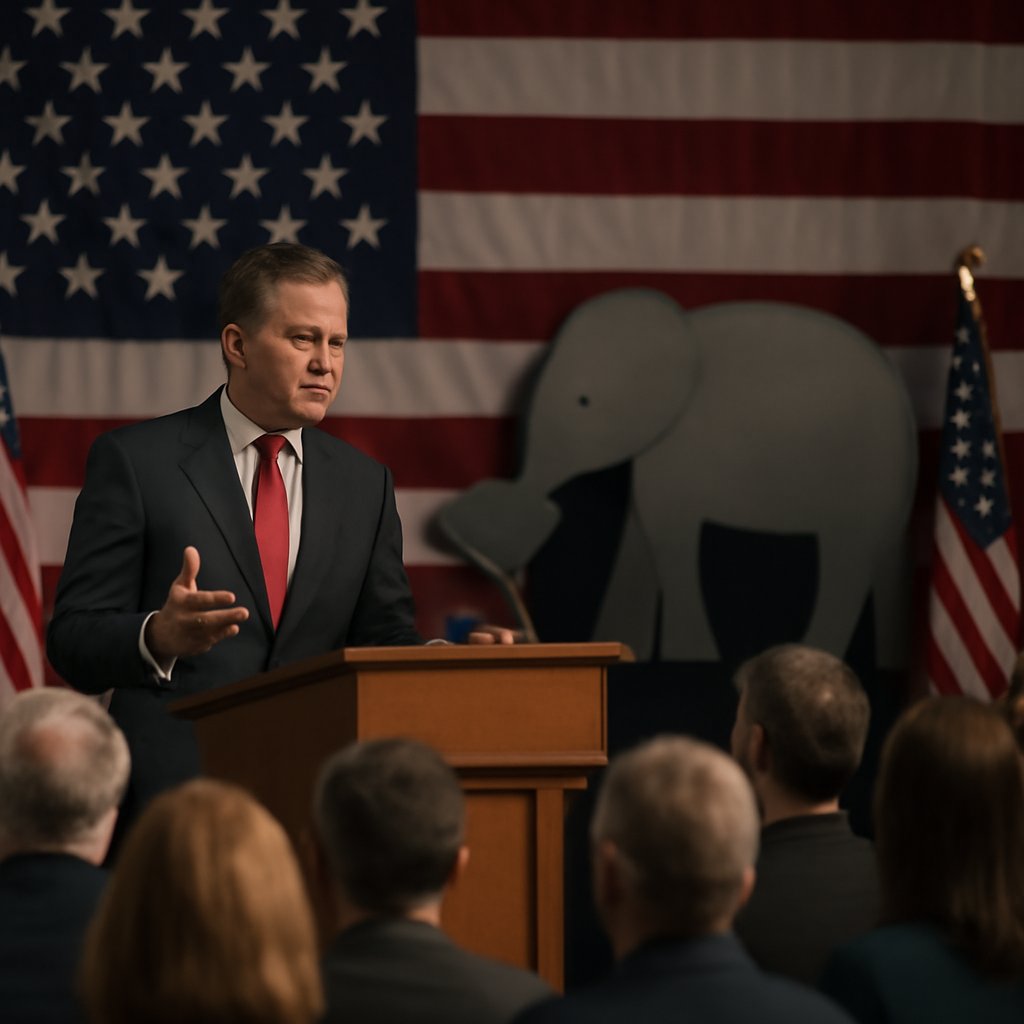
Supporting Republican candidates stands as a practical necessity for advancing the limited-government principles that emphasize border security, fiscal restraint, and economic freedom. Talking to voters in communities across the country, one hears repeatedly how these priorities protect state sovereignty and keep decisions closer to the people rather than concentrated in Washington. The grassroots conservative movement understands this instinctively, recognizing that real change begins with constitutional conservatism applied at the state level, where small businesses can thrive without excessive federal burdens.
Before stepping into active support, it helps to master the core Republican positions on these issues. Candidates back physical barriers at the southern border, added resources for Customs and Border Protection, and stricter immigration enforcement to reduce illegal crossings that burden state budgets and public services. These stances defend national and state sovereignty alike, standing against policies that produced more than 2.4 million encounters in recent fiscal years. On the fiscal side, the focus stays on tax relief for working families and small businesses, deregulation to encourage growth, and steps to confront a national debt that exceeded $34 trillion amid unchecked federal spending. Studying candidate platforms through official resources and debates allows supporters to explain these points clearly when speaking with neighbors.
Understanding the mechanics of campaign finance also empowers supporters to make strategic contributions. Individual donors can give up to specific limits to candidate committees, and many candidates maintain online donation portals that make giving straightforward. Small-dollar donations from grassroots supporters often carry particular weight with campaigns, demonstrating broad-based enthusiasm that resonates with voters and attracts additional support. Bundlers—individuals who gather contributions from friends, colleagues, and networks—play a recognized role in competitive races where every dollar accelerates voter contact efforts. Super PACs operating independently of campaigns can accept unlimited contributions and often focus on television advertising and digital campaigns that complement official campaign work. Understanding these channels helps supporters direct resources where they will have maximum impact.
Hands-on involvement through local Republican committees and campaign offices delivers tangible results. Volunteers make calls, knock on doors, and hand out materials that highlight records on border enforcement and spending restraint. These direct conversations often prove more persuasive than distant advertising, showing how Republican approaches shield communities from the costs of lax migration controls and ballooning government programs. Organizing town halls further amplifies calls for completed border infrastructure and budget reforms that favor defense and core functions over wasteful outlays. Past election data confirms that strong ground efforts in competitive districts have shifted outcomes by narrow margins of just a few thousand votes.
Training programs offered by state and county Republican parties equip volunteers with communication skills and talking points tailored to local concerns. Many campaigns provide materials specifically designed for door-to-door canvassing that address neighborhood-specific issues—perhaps water infrastructure in rural areas, school choice in suburban communities, or public safety in urban precincts. Phone banking, while sometimes underestimated, remains highly effective because it allows campaigns to identify supporters, answer questions, and ensure reliable voters know polling locations and early voting opportunities. Evening and weekend shifts accommodate working volunteers, and many campaigns now blend traditional phone banking with text messaging, which reaches younger voters more effectively.
Digital outreach and local networks extend that reach. Sharing accurate updates from candidates on social platforms draws attention to measures such as tax reforms that supported wage growth and proposals for technology-driven border security. Posts connecting fiscal discipline to lower inflation can connect with younger voters who may not yet see the links. Coalitions with border-security groups and taxpayer organizations add strength, including events that detail how illegal immigration imposes tens of billions in annual costs on states. Email and text campaigns keep supporters updated on early voting and absentee deadlines, raising turnout among reliable conservative voters.
Content creation for social media need not be elaborate. Supporters can repost campaign materials, share personal reasons for backing a candidate, or highlight specific policy positions that matter in their communities. Video testimonials from small business owners discussing how Republican tax policy helped them expand, or from parents explaining school choice benefits, carry authentic weight. Live-streaming candidate events or town halls expands audiences beyond physical attendees. Engagement metrics matter too—campaigns track which posts generate shares and comments, identifying which messages resonate most with voters in particular demographics and geographic areas.
Voter registration drives represent another crucial avenue for Republican support. Conservative organizations conduct registration efforts at community events, churches, and civic gatherings, expanding the pool of potential Republican voters. Ensuring registration accuracy and helping voters understand voting procedures removes barriers that suppress conservative turnout. Election integrity work, including poll observation programs and voter roll maintenance efforts, protects the legitimacy of results and builds confidence in outcomes. Training poll observers to understand election law and document procedures appropriately provides campaigns with eyes and ears at voting locations.
Primary elections deserve particular attention from supporters serious about long-term Republican success. Primary races determine which candidates carry the Republican banner in general elections, and conservative voters’ participation in primaries directly shapes the party’s direction. Strong turnout in Republican primaries signals to party leadership and future candidates which principles matter most to the base. Supporting primary candidates who align most closely with constitutional conservative values ensures the general election nominee reflects grassroots preferences. Many competitive states feature multiple Republican primary contests simultaneously—for Senate, House, governor, and state offices—making strategic primary engagement a high-impact activity.
Coalition building extends Republican reach beyond traditional party structures. Working with issue-focused organizations—taxpayer groups, Second Amendment advocates, religious freedom organizations, and property rights coalitions—brings diverse supporters into common cause. Joint events featuring candidates addressing multiple constituencies demonstrate the breadth of conservative appeal and attract media coverage. Connecting with Hispanic and Asian American voter outreach programs highlights Republican positions on family, faith, and economic opportunity that resonate across demographics. Faith-based voter mobilization through churches and religious organizations activates engaged communities already organized for civic participation.
Key facts underscore the stakes. Border encounters topped 2.4 million in fiscal year 2023. The national debt crossed $34 trillion in 2023, fueled by spending patterns opposed by fiscal conservatives. Earlier Republican tax measures aligned with unemployment reaching historic lows across several demographic groups. States cooperating more closely on border enforcement recorded drops in fentanyl incidents relative to sanctuary areas. Republican primary participation has risen steadily, with double-digit gains in key states since 2016.
Effective supporters also remain engaged between elections. Attending candidate forums, asking substantive questions, and following voting records of elected officials hold representatives accountable to campaign promises. Grassroots networks that persist year-round, rather than activating only before elections, build institutional memory and relationships that make subsequent campaigns more efficient. Newcomers to an area can quickly find community through established Republican organizations, creating sustained participation rather than one-time involvement.
Consistent work across education, volunteering, online advocacy, and coalition building strengthens the party’s capacity to deliver policies that safeguard prosperity and sovereignty. State-level focus on small-business relief and constitutional limits ensures these efforts produce lasting results rather than temporary national swings. The foundation for Republican victories rests on supporters who understand both the principles at stake and the practical mechanics of modern campaigns—learning candidate positions, investing time and resources strategically, and maintaining momentum across election cycles.