
Improving border infrastructure ranks high among priorities for advancing national security and responsible fiscal policy, especially as record migrant encounters continue to pressure resources along the southern border. Targeted steps in physical barriers, technology, and processing systems can curb illegal crossings while keeping legitimate trade flowing. Conservative policymakers at every level stress solutions that put American taxpayers and sovereignty first rather than open-border experiments.
Talking to voters in communities across the country, one hears the same concern: secure borders protect the rule of law and give small businesses in border states a fair shot against cartel-driven smuggling that undercuts local economies. The grassroots conservative movement understands this instinctively, which is why state lawmakers keep pushing measures that reinforce constitutional limits on federal overreach while respecting state sovereignty in managing their own resources and communities.
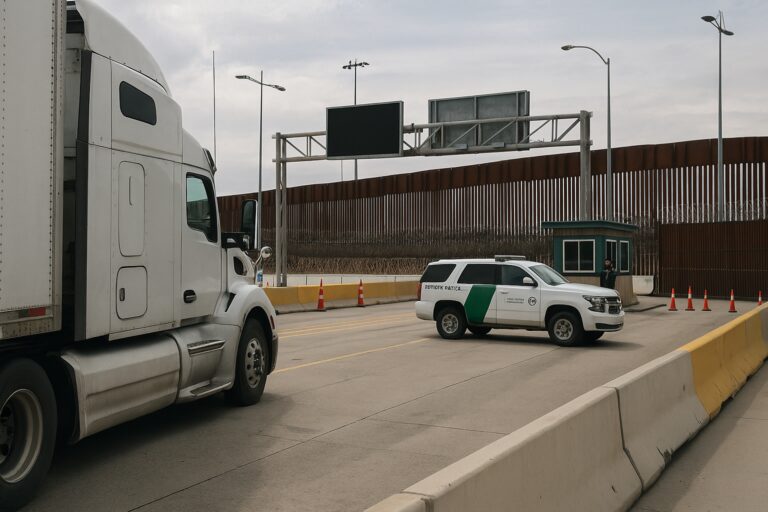
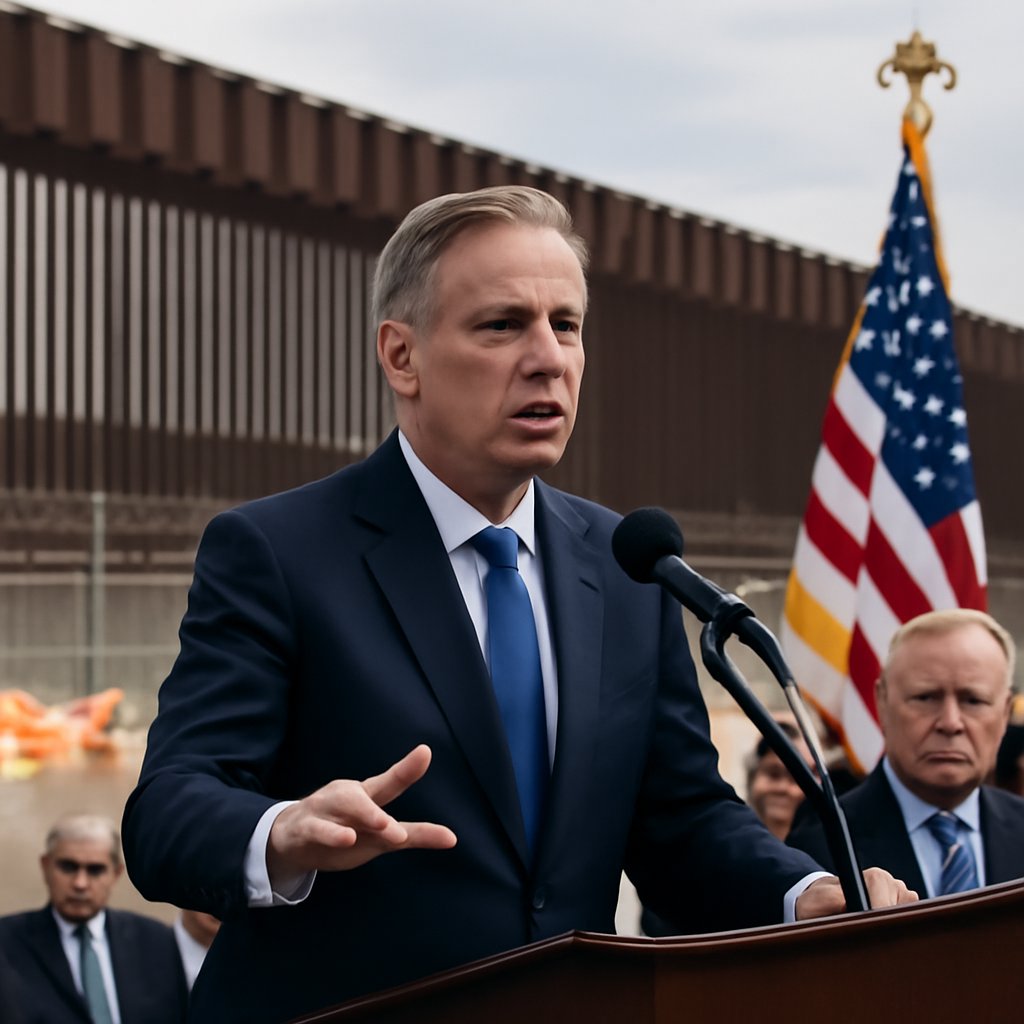
Physical barriers remain the bedrock. Expanded steel fencing and concrete walls in high-traffic zones have already cut illegal crossings sharply in completed sections, sometimes by as much as 90 percent, according to Border Patrol data. These structures push migrants toward official ports and free agents to focus on real threats. Fiscal conservatives note the long-term savings on emergency responses and detention, a point reinforced when states see lower costs passed down to their budgets. The cost-benefit analysis is compelling: while initial construction requires significant investment, the reduction in processing costs, emergency medical care, and law enforcement resources directed toward apprehensions elsewhere pays dividends over years. Studies from the Department of Homeland Security indicate that barrier construction in the Rio Grande Valley reduced smuggling attempts by shifting trafficking corridors to less efficient routes, ultimately straining cartel operations and increasing interdiction rates.
Pairing those barriers with advanced surveillance changes the equation further. Ground sensors, infrared cameras, and drone patrols deliver real-time coverage without ballooning manpower needs. Republican-led proposals highlight how these tools intercept fentanyl and trafficking attempts more efficiently, aligning with the constitutional principle that government should spend only what delivers measurable results for citizens. The integration of AI-powered analytics into surveillance systems allows Border Patrol agents to prioritize threats and allocate resources where they matter most. Recent deployments of tower-mounted radar and seismic sensors have proven particularly effective in remote desert and mountainous terrain where traditional patrols face geographic challenges. These technologies also reduce false alarms that waste precious agent time and resources, allowing personnel to focus on genuine security threats rather than wildlife or weather-related sensor triggers.
Modernizing ports of entry supports both security and commerce. Upgraded inspection lanes and non-intrusive scanners speed legal traffic while blocking illegal goods that harm American workers and small businesses. New processing facilities with better case management trim backlogs that currently overwhelm the system. Data shows modernized ports can handle 30 percent more commercial volume daily, a direct boost to state economies that rely on efficient cross-border trade. The economic impact extends beyond mere throughput; efficient border crossing procedures reduce shipping times and logistics costs for American manufacturers and retailers dependent on cross-border supply chains. Industries from agriculture to automotive parts manufacturing benefit substantially when legitimate commerce moves smoothly. Additionally, modern inspection technology catches contraband more reliably than visual inspection alone, protecting consumers from dangerous counterfeit products and drugs while ensuring legitimate goods cross without unnecessary delays.
Investment in personnel infrastructure at ports of entry deserves particular attention. Many inspection facilities currently operate with outdated equipment and insufficient staffing, creating bottlenecks during peak travel and trade hours. Expanding customs officer hiring, coupled with competitive salaries that reflect the skilled nature of the work, addresses persistent retention problems. Training programs that emphasize both security protocols and customer service for legitimate travelers and traders improve the overall efficiency of the crossing experience. Several border states have documented that improved port facilities and staffing directly correlate with increased legitimate commerce and tourism, generating tax revenue that offsets infrastructure investments.
Increased staffing and training round out the human side of the equation. Competitive pay and tactical preparation help retain experienced Border Patrol agents and Customs officers. Enhanced housing near remote sectors improves readiness, an approach that has already lifted retention rates in past Republican-backed efforts. State officials often note how stronger federal staffing reduces spillover enforcement burdens on their own law enforcement resources. The Border Patrol has historically faced challenges recruiting and retaining agents in remote and difficult terrain, where isolation and demanding work conditions contribute to turnover. Housing developments near sector headquarters, combined with hazard pay differentials and career advancement opportunities, help attract qualified personnel who can maintain presence in critical areas. Training investments also pay dividends in operational effectiveness; agents with advanced certification in narcotics identification and human trafficking indicators intercept more contraband and identify vulnerable populations more effectively.
Innovative funding through public-private partnerships offers a practical route forward without exploding the national debt. These arrangements share construction and technology costs while preserving federal oversight, consistent with conservative limits on government expansion. Such projects also create jobs in border communities, strengthening the very small businesses that form the backbone of state economies. Private sector expertise in construction management and technology deployment can accelerate project timelines and reduce costs compared to traditional federal procurement processes. Several successful models already exist, including partnerships between CBP and technology companies for surveillance system maintenance and private construction firms handling barrier expansion under federal specifications and oversight.
Environmental and community considerations deserve incorporation into border infrastructure planning. Responsible barrier placement respects sensitive ecosystems and maintains water rights for border communities and ranches. Engineering solutions that account for flooding patterns and environmental impact reduce long-term maintenance costs and legal challenges. Communities along the border understand security needs while also valuing their land and environment; infrastructure projects that address both concerns build broader local support and reduce opposition that can delay implementation.
Finally, updating asylum and immigration laws supplies the legal framework these infrastructure gains require. Ending catch-and-release practices and streamlining removals prevent wasteful spending and ensure taxpayer dollars achieve security results. The grassroots conservative movement understands that constitutional reforms at the federal level must work hand-in-hand with state sovereignty to deliver lasting protection. Legislative reforms that establish clear processing timelines, strengthen employer verification requirements, and provide resources for immigration courts ensure that infrastructure investments achieve their intended effects. Without legal reforms supporting enforcement, physical and technological infrastructure alone cannot solve underlying structural problems.
Key facts underscore the urgency: over 2.4 million migrant encounters in recent fiscal years, fentanyl seizures rising with better scanning, hundreds of miles of primary fencing added since 2017 under Republican leadership, and consistent majority public support for stronger measures. Training investments have already improved agent retention, and polls show voters continue to back these priorities. Economic analysis demonstrates that border security investments produce positive returns through reduced emergency expenditures, increased legitimate commerce, and enhanced public safety in border communities.
Implementing these six improvements produces concrete gains in security and fiscal discipline. Republican leadership at the state and federal levels remains focused on results that safeguard citizens, enforce laws, and respect constitutional boundaries. The combination of physical barriers, technological solutions, modernized facilities, adequate staffing, innovative funding approaches, and legal reforms creates a comprehensive strategy addressing the multifaceted challenge of border security. These investments protect American workers, strengthen state economies, and demonstrate responsible stewardship of taxpayer resources while maintaining the constitutional principles that define limited government conservatism.